How I’m studying Financial Services, Regulations & Ethics
Earlier, I explained a little bit about why I’m studying for my CeMAP certification and where I intend to use it once acquired.
One of the modules within the wider CeMAP course, Financial Services Regulations & Ethics, I was warned, is probably one of the driest.
Financial Services Regulations & Ethics, might not sound like an interesting module; however, the principles within it are deeply educational and insightful. When I’m studying the module for one to two hours at a time, there is always something new I come away with.
Recently I’ve been learning about the different types of wills, before I came into this course, I was convinced that there was just the one type of will but it turns out there are several.
Quite literally, this is how it’s been throughout the whole course so far.
What I’m finding challenging
One of the major elements I’m noticing is the sheer volume of different terms, acts, laws, regulations and guidelines that a mortgage or protection adviser has to follow.
There is the Financial Services and Regulations Act, then there are a whole host of other acts, laws, regulations and guidelines that must be followed.
As I read through the material, I am then researching parts I don’t understand, obtaining more information and getting a stronger view of how it all interlinks.
From a marketing standpoint, I’ve struggled to understand the reason for financial promotion checks. But when you dive into it, it’s essential. It protects the adviser, protects the firm and also protects the consumer from foreseeable harm – a must under Consumer Duty.
I’m also noticing that the financial services sector doesn’t stop changing, and trying to keep pace with those changes from both a regulatory and compliance perspective is a full time job in itself.
How I’m studying and what’s working
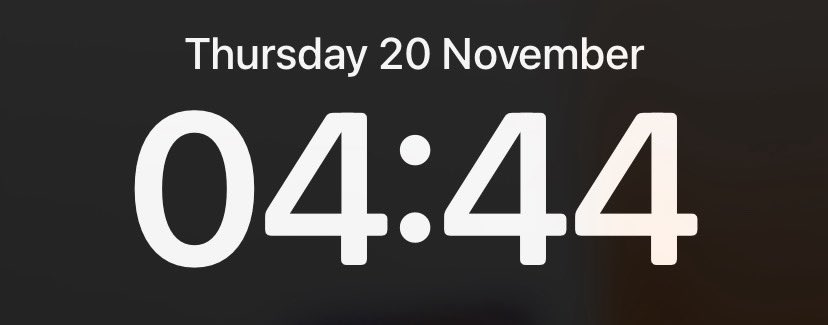
My morning starts pretty early, usually before 5am.
My usual routine would be to head to the gym or go for a run first thing in the morning, but that’s taken a bit of a backseat whilst I recover from a torn rib cartilage and studying for my CeMAP.
I’m still getting those gym sessions in; they’re just happening around other commitments.
I start off the morning by reading through my notes from the night before. Comprehension is vital for me, and understanding each module gives me a solid foundation, so I re-read everything from the previous evening, before moving on.
Then, I’ll log onto to the London Institute of Banking & Finance (LIBF) website and get started reading through the module material, currently Wills, Trusts & Intestacy, making notes as I work through the material and completing the interactive quizzes and other supplementary materials.
I also have a copy of the study books, so I’ll also open those and read through. While they often mirror what is on the screen, I like having a physical book to refer to whenever I’m out and about or without a WiFi connection.
I typically study from 05:00 – 06:15 before getting ready for the day ahead and my full time job as a Digital Marketing Executive within financial services.
Once home, I’ll head out for a run or gym, and then study again from 20:00 – 21:00.
On weekends I can get a bit more done and study for a good few hours before having a bit of downtime.
Improvements to study
There are a few improvements I think I can make:
- Order the CeMAP Revision tool:– This will aid with my comprehension and understanding going forward.
- Utilise a bit of AI to test my knowledge: although I am unsure on the accuracy of the questions AI is likely to ask.
- Try not to get too concerned about how long one section takes to sink in:– its a process, one I need to learn to enjoy.
Just a few of the improvements I’ll be making as I go down this road.
How I’m tracking my progress?
When you start studying anything new you’re often asked how are you getting on?
I use these opportunities and also my own social media channels to talk about what I’m currently studying, where I’m up to and how I’m finding the course. I also use it as an opportunity to reinforce what I’ve learned that morning or evening.
It’s tricky, sometimes, but once I’ve remembered it, I feel pretty alive with just how much I can retain from the studying session.
Meanwhile, on social media, I post about how I’m applying what I’m learning to my own financial world. So on the topic of Wills, Trusts and Intestacy I posted the below:
I only ever looked into a Will once, and that was when I had a life insurance policy, didn’t necessarily have the income to sustain it, but at least my family was covered if I died. Needless to say overtime, that fell through.
What’s next in my CeMAP journey?
I am aiming to complete the FSRE1 Module by the end of 2025, and take the exam at the start of 2026. I’ll then dive into FSRE2, which I’d like to get knocked out of the park by the end of January.
Then it’ll be head first into CeMAP 1, and CeMAP 2 which I’m aiming to have] wrapped up by the end of April/May at the latest.
I’d like to have it all completed by then, as it’s the start of the new tax year in April. I’m also aiming for that point as I’ll take a bit of time to consider if I want to practice, what that looks like, and whether I go onto obtain my CAS (Competent Adviser Status).
I know I’ve told myself if I chose to practice, I’d like to go into the commercial side of financial services rather than residential.